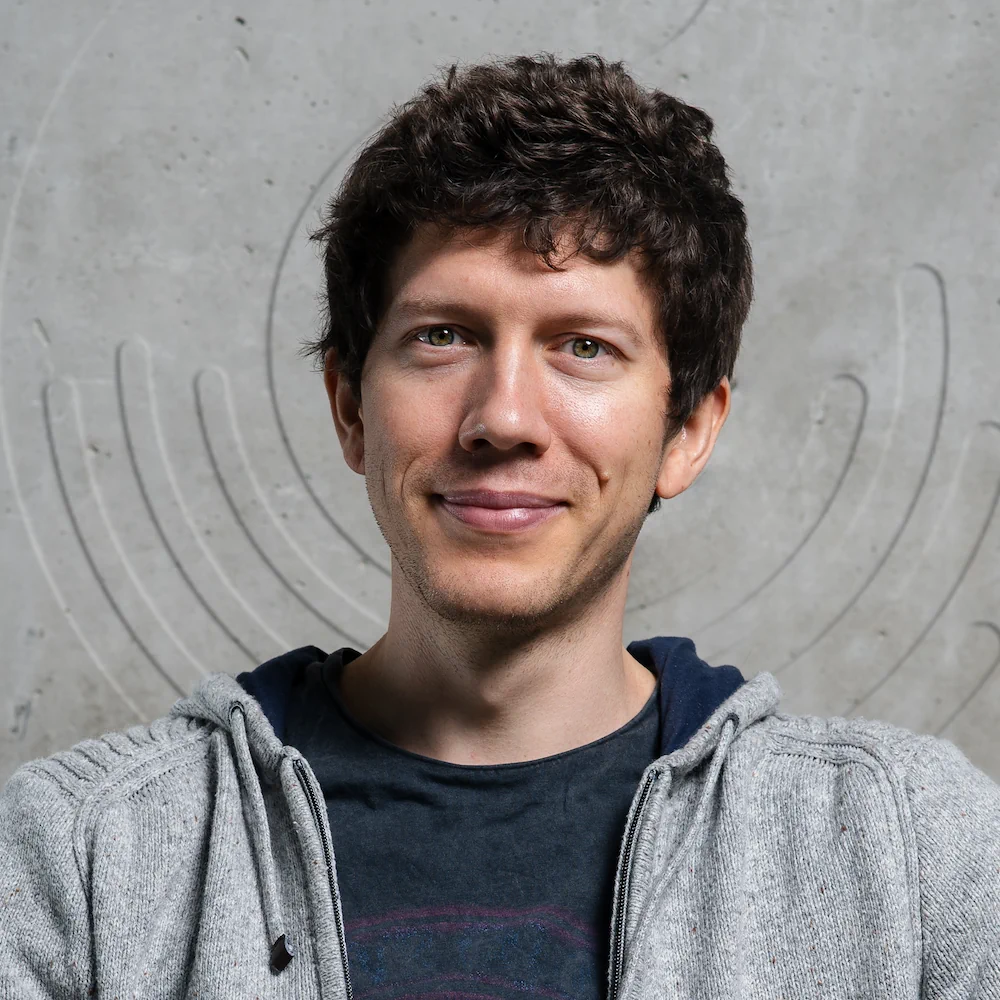
From Engineer to Solo Founder
After ten years building AI systems at startups, I am now going the solo founder route. Here is why now is a once-in-a-lifetime opportunity.

The Setup
I spent the last ten years in the startup ecosystem. Started at understand.ai as Chief Scientist when it was early, helped build it up, watched it get acquired by dSPACE. Did a PhD detour at Max Planck which taught me that I am more wired towards startups. Came back. Then moved to Octomind to work on AI agents for end-to-end testing.
Good trajectory, interesting problems and a great team. By most metrics, I was in my element. So why go solo now?
The Timing Argument
What a single person can do has fundamentally changed. Teams around the globe are getting smaller and leaner, automating more and more. Roles shift and a classical dev might take up more of the value chain than before, extending their breadth of activities. The same goes for other positions that get condensed. There are now teams with minimal management setup, without marketing or sales, without legal or HR.
As a developer, vibe coding tools let you scale yourself like never before. You can prototype in one evening, build a minimum lovable product in a week or two, and ship a full product as a solo dev within weeks. You can bounce ideas with AI and cover areas where you are less experienced. Plus you can use all of the AI tooling for the business processes around it.
And here’s the thing: the more senior you are, the more you seem to accelerate. You’re an experienced reviewer, you’re a better orchestrator, you can absorb the mental model of code faster, delegate correctly scoped tasks, and evaluate what’s fishy versus what’s solid.
My workflow now is 80% AI work. I rarely write code directly. My job is to define a vision, break it into tasks, specify how things should be built, and give feedback until we end up with something solid and maintainable (I shared more about my setup here). That is a new era of building.
I’ve made this kind of bet before, joining early-stage AI companies when the technology was still niche. The pattern is simple: when you see an inflection point, jump in early. The disruption becomes an opportunity, not a risk. Fighting an uphill battle later, when others have years of experience, is the actual risky move.
The Playbook Is Changing
The old startup playbook was “fake it to validate it.” You’d do paper prototypes, waitlists, outreach campaigns, “fake it until you make it” MVPs. The goal was to test demand before building the real thing, because building was expensive.
That calculation has flipped, at least for software.
Today, you can build a “minimum lovable product” (MLP) within weeks as a solo dev. Not a hacky MVP, an actual good product. The cost of building has dropped so much that faking is more overhead than just shipping the real thing. Startup teams will become smaller, leaner and even faster at execution. There’s even a RFS from YC for the next 10 people 100b unicorn, to give you a taste where the industry is heading.
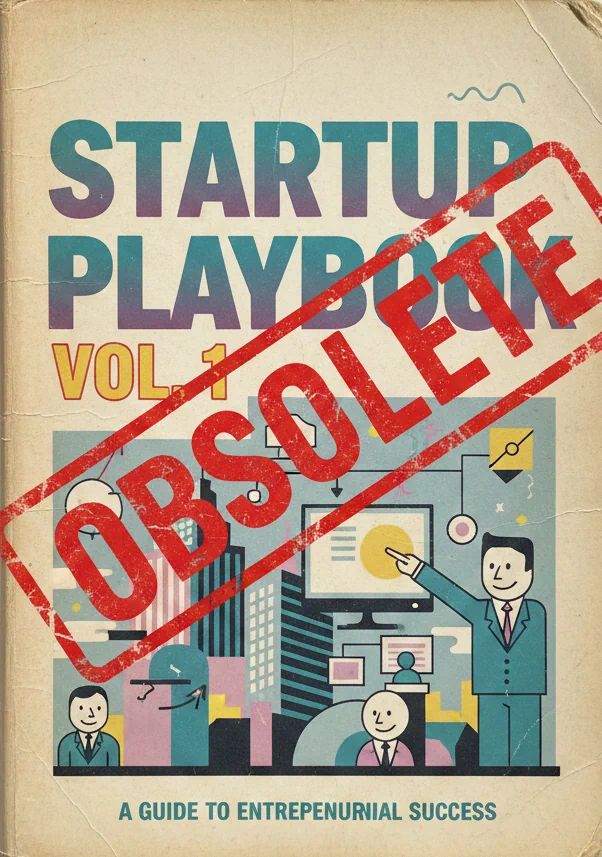
And the market is awake at the moment. Everyone knows they need AI tools to stay productive. Adoption cycles are compressed. If you’re perceived as the solution for something, you get pulled into the market rather than having to push.
This feels like a once-in-a-lifetime window.
Finding What Works
I’m aiming for bootstrapped ideas that need to be profitable from the start, which is a beautiful forcing function. The main mission of a startup is finding product-market fit, and there’s a big grey zone where you can fool yourself into thinking you have it. I’ve seen startups take on client projects to get market exposure, but custom project work isn’t your product, so it doesn’t validate it. I’ve seen products attract plenty of free users who disappeared when asked to pay. And even paying customers can be misleading. If you can’t price your product profitably, that’s not sustainable PMF either.
I’ll be writing about what I encounter along the way, from vibe coding workflows to how the ecosystem is shifting and where AI seems to be heading.

If You’re Feeling the Itch
If you’re an engineer at a comfortable job, feeling the pull but hesitant: the perceived risk is much bigger than the actual risk. I’ve seen this pattern repeatedly: 90% of startups fail, and yet almost no one walks away worse off. You learn at an accelerated rate, and that experience is well-perceived. Pursuing startups means doing the hard thing. It’s not a gap on your CV, it’s a signal.